Best for
- Roof restorations and recoveries
- Complex flashings and penetrations
- Extending life of existing low-slope roofs

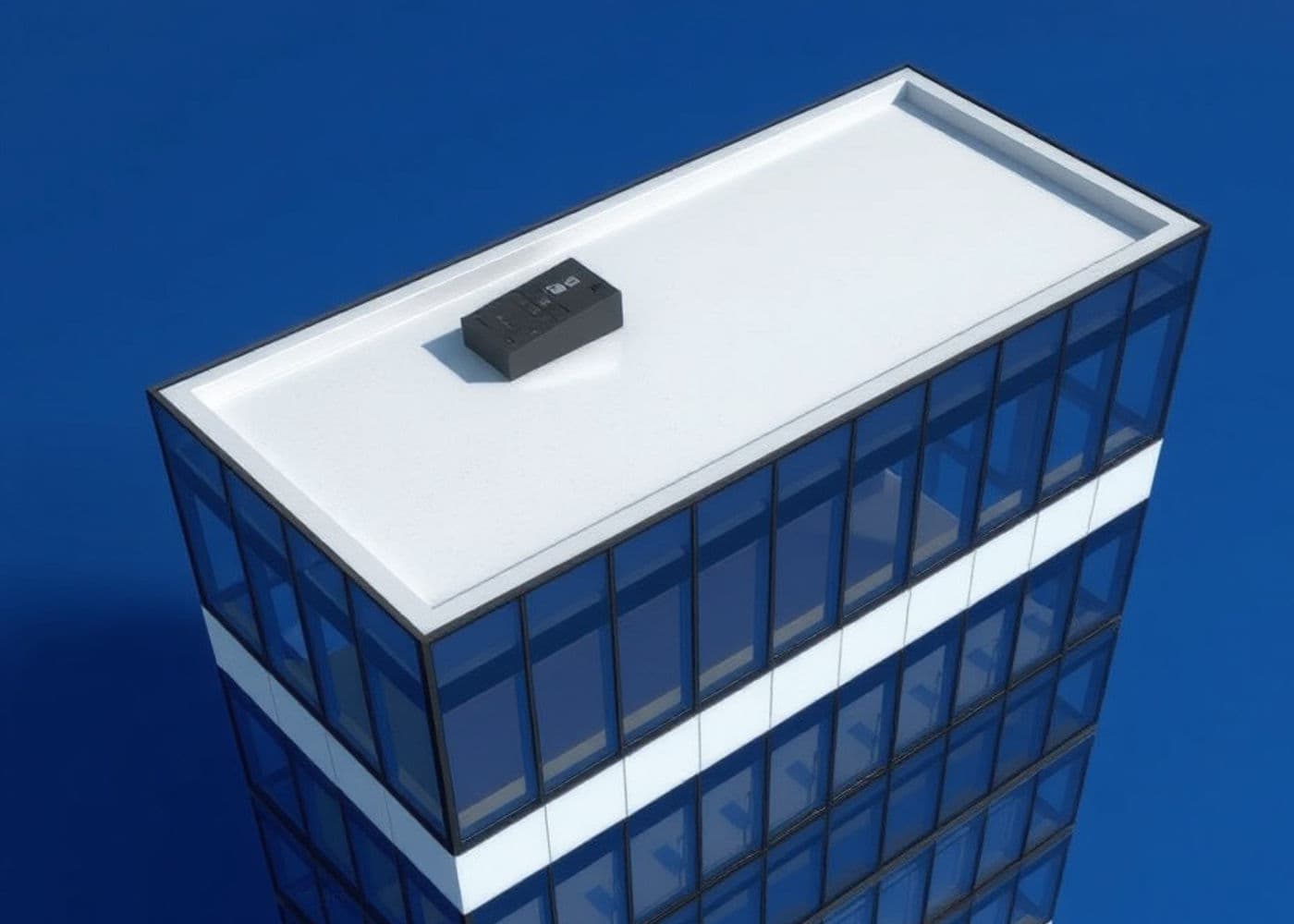
Liquid Roofing
Seamless fluid-applied membranes for restoration, flashings, and tough details.
Liquid-applied roofing creates a seamless, fully adhered membrane — excellent for restoring aging flat roofs, sealing complex flashings, and extending roof life without a full tear-off when conditions allow. Warm Home Inc uses premium coatings and reinforced liquid systems matched to the substrate.
Often 10–20+ years depending on system build-up and maintenance
Coating system warranties depend on mil thickness and primer/base/top coat compliance.
Choose your path
Start with the building and operating needs. Inspection findings—not a generic package—determine whether repair, restoration, or replacement belongs in the written scope.
Transparent planning
These are scope drivers, not an online bid. Measurements, condition, code, access, selections, and hidden damage must be verified before WHI can provide a project-specific written estimate.
Duration is confirmed after scope, lead times, permits, weather, access, cure requirements, and hidden-condition allowances are known.
A coordinator confirms material lead times, permits, safe access, weather windows, and any business or household constraints before setting the installation date. Emergency stabilization is scheduled separately from permanent work.
Prepare and protect
Ask who issues each warranty, what it covers, when it starts, how coverage statements are made, whether it transfers, and which maintenance, registration, or inspection conditions apply.
Tell WHI what you see and how the building is used. We will help set the next step, document the scope, and explain options without pretending an uninspected project has a fixed price.

Download Warm Home Inc overview PDFs, then open each manufacturer’s official datasheets and document libraries for full technical specs.
Manufacturer
Roof coatings & fluid-applied systems
Manufacturer
Silicone & fluid-applied roof coatings
Manufacturer
Roof coatings & cements
Manufacturer partners
Explore the asphalt, metal, and liquid-membrane brands Warm Home Inc specifies for storm-ready roofs. Select a logo for materials guidance, FAQs, and manufacturer catalog links — then book an inspection when you are ready.
 AtlasBrand details →
 TecnopolBrand details →
 CertainTeedBrand details →
 DECRABrand details →
 UnionBrand details →
 GAFBrand details →
 IKOBrand details →
 Owens CorningBrand details →
 TamkoBrand details →
Logos identify brands we work with and link to Warm Home Inc educational pages. Product names and trademarks belong to their respective manufacturers; always confirm current ratings and warranties on the official manufacturer sites linked from each brand page.